I Stopped Asking Permission to Practice: 7 Reasons PMHNPs Should Go Solo
Solo Psych Academy · Off-Label Advice
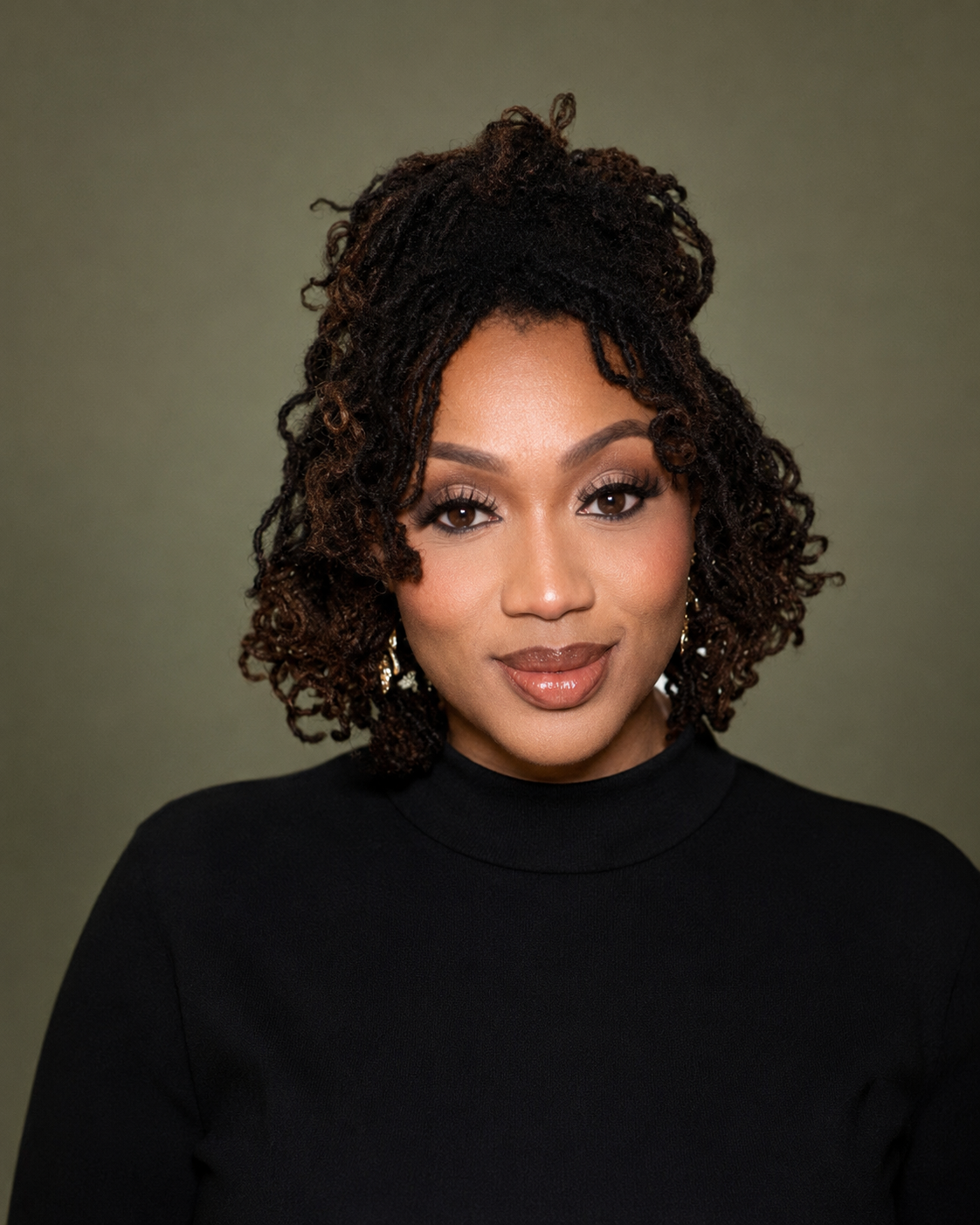
By Omoye Ehizuelen, MSN, APRN, PMHNP-BC
You didn't survive nursing school, hundreds of clinical hours, and boards just to feel stuck.
But here you are. Back-to-back patients. Notes at 9 p.m. Asking permission to take a Friday off. Working harder than ever while someone else calls the shots.
I know that feeling, because I lived it. In November 2023, I opened my own solo outpatient psychiatric practice. For me, it came after giving birth to my daughter, when I was pressured to return to work and leave her at such a fragile age.
I'm not here to tell you every employer is bad. Plenty are great. But if you've ever thought, "There has to be another way to do this," there is.
It's called solo private practice. And it probably costs less, and looks simpler, than you think. I started mine for about $8,000. You don't need a fancy office, a staff, or $50,000 in savings. You need a plan and a willingness to learn the business side of care.
Here are seven reasons every PMHNP should at least consider it.
01
Your Calendar Stops Belonging to Someone Else
Time is worth as much as money. For many of us, it's worth more.
As an employee, you request days off. You feel guilty calling out sick. You miss recitals and dinners because the schedule says so.
As an owner, you write the schedule.
- Want Monday through Wednesday, with a four-day weekend? Build toward it.
- Not a morning person? Start at 10 a.m.
- Drained by 14 patients a day? Cap it at 8.
The work doesn't vanish. Notes, messages, and admin tasks still need you, and in year one you may work more than you did as an employee.
The difference is direction. You build your schedule around your life, instead of squeezing your life into someone else's schedule.
02
Your Paycheck Stops Having Someone Else's Ceiling
Wanting to earn well doesn't mean you care less about patients. You can love this work and get paid well for it.
As an employee, your employer largely sets your income. As an owner, your decisions do.
Here's a simple example. Say you charge $300 for an initial evaluation and $175 for a follow-up. You see 2 new patients and 6 follow-ups a day, 3 days a week.
The Example Math
Per day: $1,650
Per 4 weeks: $19,800 gross
Now the part most posts skip: revenue is not profit.
Here's roughly what my own practice costs to run each month:
| My monthly expenses | Amount |
|---|---|
| Collaborating physician | $700 |
| Marketing | $500 |
| Billing, accounting, legal | $300 |
| EHR and e-prescribing | $180 |
| Malpractice insurance (paid yearly, $1,200 to $2,000) | $100 to $165 |
| Phone and fax | $70 |
| Total | About $1,850 to $1,915 just under $2,000 |
Subtract those, then set aside roughly 25 to 30% for taxes. What's left is your real take-home, and in the early months, while your panel is still growing, it can look very different from that gross number.
Two more realities. Insurance often pays less than your posted rate. And this math only works once your schedule is full, which takes time.
This is an illustration, not a promise. But for the first time, the levers are yours: your rates, your payer mix, your expenses, your schedule.
Free Guide
Before you run the numbers on your own practice...
Grab my free guide, 5 Mistakes I Made Opening My Private Practice. A few of them cost me real money.
Get the Free Guide03
You Finally Practice the Way You Were Trained To
We've all had the 15-minute appointment that needed 45. The patient with three concerns. The med history you couldn't fully review. The person who just needed a little more room to talk.
And the next patient was already waiting.
In your own practice, you decide:
- How long evaluations and follow-ups last
- What your intake process looks like
- How patients reach you between visits
- Which populations you focus on, whether that's adult ADHD, mood disorders, anxiety, or women's mental health
You still work within your state's laws, your scope, and payer rules. Some states also require physician collaboration or supervision, so check yours on the AANP State Practice Environment map.
Private practice doesn't automatically mean better care. But when something isn't working, you can fix it yourself instead of waiting on someone else. Good care and good business stop competing and start supporting each other.
04
Small Is a Strategy, Not a Settlement
This is where most PMHNPs get scared off. They hear "business owner" and picture payroll, a big lease, and thousands in overhead every month.
If you want that someday, great. But you don't have to start there, and you never have to go there.
A solo practice can be refreshingly simple:
- Virtual, a small office, or both, depending on your state and patients
- One EHR that handles scheduling, notes, billing, and messaging
- No staff on day one
You'll still need the essentials: malpractice coverage, compliant systems, and a real plan. But a lean practice is a legitimate goal, not a stepping stone you failed to climb.
Not everyone wants to run a 15-provider group. Sometimes the win is a business that supports your life without swallowing it.
05
Build Your Own House, Not Someone Else's Empire
Every patient you see as an employee grows someone else's business. That's how employment works, and there's nothing wrong with it.
But when you leave, the business stays behind.
When you own your practice, every hour builds something that's yours: your brand, your systems, your referral relationships, your reputation.
You'll also learn things nursing school never mentioned, like credentialing, business banking, billing, and marketing. That sounds intimidating. It was for me, too. My biggest surprise was taxes. Business taxes work completely differently than they did when I was a W-2 employee.
But nobody is born knowing how to manage a revenue cycle. It's a skill, and skills can be learned.
One honest note: a practice that depends entirely on you may be hard to sell, and healthcare ownership rules can limit your options. Even so, the knowledge you gain stays with you for life.
06
Your Safety and Security Stop Being Someone Else's Call
For me, security started with safety. I once worked at a facility with no security staff, serving a patient population that could become violent. With children depending on me, I carried that anxiety into work every single day.
With children depending on me, I carried that anxiety into work every single day.
In my own practice, I set the safety standards: which patients I accept, what setting I see them in, and when someone needs a higher level of care than I can safely provide.
Job security works the same way. Healthcare employment feels stable until it isn't. Practices get acquired. Contracts get cut. Productivity targets climb overnight. A new administrator decides your role is being "restructured."
As an employee, one decision made in a meeting you weren't invited to can change your income, your schedule, or your job.
As an owner, those decisions are yours. Owners build stability on purpose:
- Spread revenue across several payers, or mix insurance with cash pay
- Keep three to six months of expenses in reserve
- Own your patient relationships, your referral sources, and your reputation
Let's be honest: neither kind of security is automatic. Safety comes from clear patient selection criteria and an emergency plan, and ownership isn't risk-free. You trade employer risk for business risk, and a slow month is your slow month.
But business risk comes with levers you can pull. Employer risk often comes with very little warning.
07
You Get to Define "Enough"
This one is my favorite.
Somewhere along the way, we decided success means more. More patients, more hours, more certifications, more money.
But what if you don't want more of everything?
- What if three days a week and a comfortable living is the dream?
- What if you want to travel without begging for PTO?
- What if you'd rather see fewer patients and actually be present for each one?
- Or what if you do want a large, thriving group practice?
All valid. The point is that you choose.
The owner seeing 30 patients a day and opening a second location isn't your scoreboard. A practice that looks impressive from the outside but leaves you exhausted isn't success. It's just a different kind of stuck.
Ask Yourself First
- What does my ideal workweek look like?
- How much do I realistically need to earn?
- How much responsibility do I actually want?
- What life am I building this practice to support?
The goal isn't to become a practice owner. It's to build a practice that serves the life you want.
So, Is Solo Practice Worth a Look?
I think so. But let me be straight with you: it's not a shortcut to easy money, and it's not right for everyone.
You'll need to learn your state's practice laws, manage your finances, set clinical and administrative policies, and meet your legal obligations. You'll need patience, too. Building a panel takes time, and some early months will be lean.
What I don't want is for you to dismiss the idea just because you don't know where to start.
You weren't born knowing how to do a psychiatric evaluation or manage a complex med regimen. You learned. The business side is no different.
You don't need to know everything today. You definitely don't need to quit tomorrow. Just stop treating this like a someday dream, and start finding out what it would really take.
You might decide it's not for you. Or you might find the path you've been looking for. Either way, you'll decide from knowledge, not fear.
Solo Psych Academy
Thinking about opening your own practice?
Hi, I'm Omoye. I've run my own solo psychiatric practice since 2023, and I learned a lot of it the hard way. Some lessons came from research. Others came from mistakes I'd love to help you skip.
Download my free guide, 5 Mistakes I Made Opening My Private Practice, so you can make smarter decisions from day one.
Get Your Free GuideYes, you're solo. But you're not alone.
Solo practice. Your terms. Better care. Greater freedom. Real wealth.
Disclaimer: This article is for educational purposes only and does not constitute legal, financial, tax, or individualized business advice. Practice requirements and financial outcomes vary based on state regulations, business structure, and individual circumstances.